
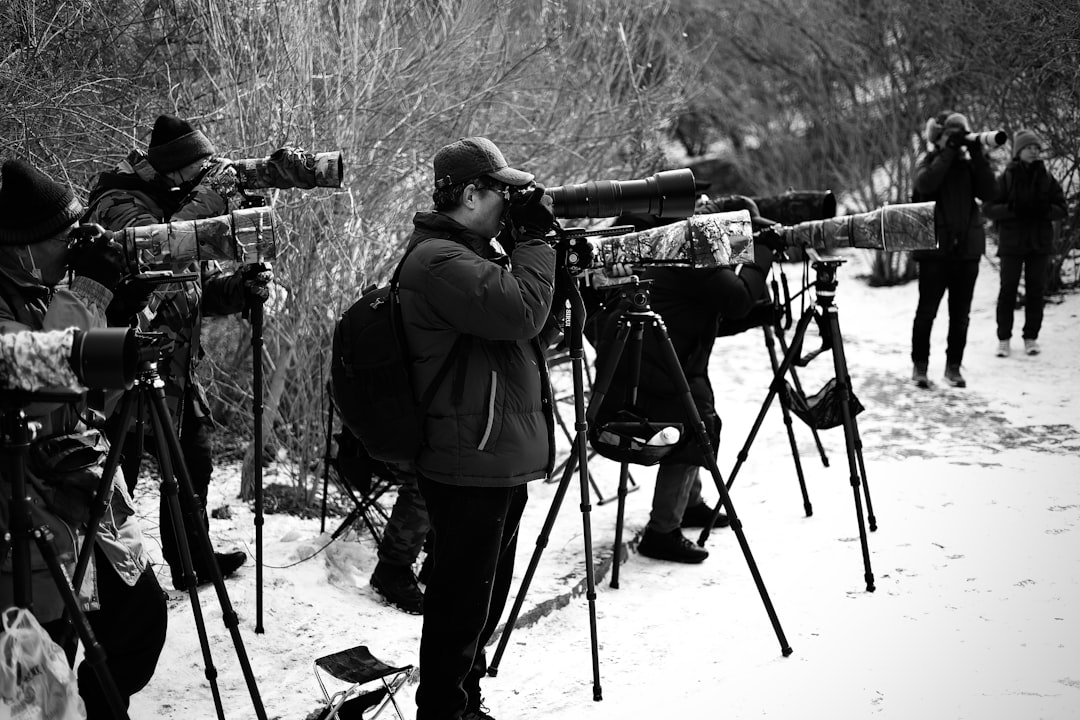
When it comes to photography, stability is key. A sturdy tripod can make all the difference in capturing sharp, clear images, especially in low-light conditions or when using long exposure techniques. At lenshandcrafted.com, we understand the importance of having the right equipment, and that includes selecting the best tripod for your needs. In this article, we will explore various types of tripods, their features, and how to choose the perfect one for your photography adventures.
Understanding Tripod Types
There are several types of tripods available, each designed for specific photography styles and environments. The most common types include traditional tripods, travel tripods, and tabletop tripods. Traditional tripods are sturdy and versatile, making them ideal for studio work and landscape photography. Travel tripods, on the other hand, are lightweight and compact, perfect for photographers on the go. Finally, tabletop tripods are great for macro photography or when shooting from a low angle.
When selecting a tripod, consider your primary photography style. If you often shoot in the field, a travel tripod may be your best bet due to its portability. However, if you primarily work in a studio, investing in a traditional tripod with a higher weight capacity could provide the stability you need for larger cameras and lenses.
Key Features to Look For
Not all tripods are created equal, and understanding the key features can help you make an informed decision. One of the most important features is the tripod’s weight capacity. Ensure that the tripod can support your camera and any additional gear you may use, such as heavy lenses or external flashes. Additionally, look for tripods with adjustable leg angles, which allow for greater flexibility in positioning your camera.
Another critical feature is the tripod head. There are various types of heads, including ball heads, pan-tilt heads, and gimbal heads. Ball heads are versatile and allow for quick adjustments, while pan-tilt heads provide more control for precise movements. Gimbal heads are ideal for wildlife photographers who need to track moving subjects smoothly. Choose a head that complements your shooting style for the best results.
Portability and Weight
Portability is a significant factor when choosing a tripod, especially for those who travel frequently. Lightweight materials, such as aluminum or carbon fiber, can make a considerable difference in how easy it is to carry your tripod. Carbon fiber tripods are generally more expensive but offer superior strength and reduced weight, making them a favorite among professional photographers.
When considering weight, also think about the tripod’s folded height. A compact tripod that fits easily into your camera bag will be more convenient for travel. Always balance the need for stability with portability to find the right tripod that meets your specific requirements.
Setting Up Your Tripod
Once you’ve selected the perfect tripod, knowing how to set it up correctly is essential for achieving the best results. Start by extending the legs to the desired height, ensuring that the tripod is stable on the ground. Avoid extending the center column unless necessary, as this can reduce stability. Instead, use the leg locks to adjust the height and position of the tripod.
After setting up, take a moment to check the level of your camera. Many tripods come with built-in bubble levels, which can help ensure your shots are perfectly aligned. If your tripod lacks this feature, consider using a spirit level attached to your camera. Proper setup will lead to sharper images and a more enjoyable shooting experience.
Checklist:
Before heading out for your next photography session, ensure you have the following: a sturdy tripod that meets your needs, a compatible tripod head for your camera, and a spirit level for precise alignment. With these essentials in hand, you’re ready to capture stunning images with confidence.