
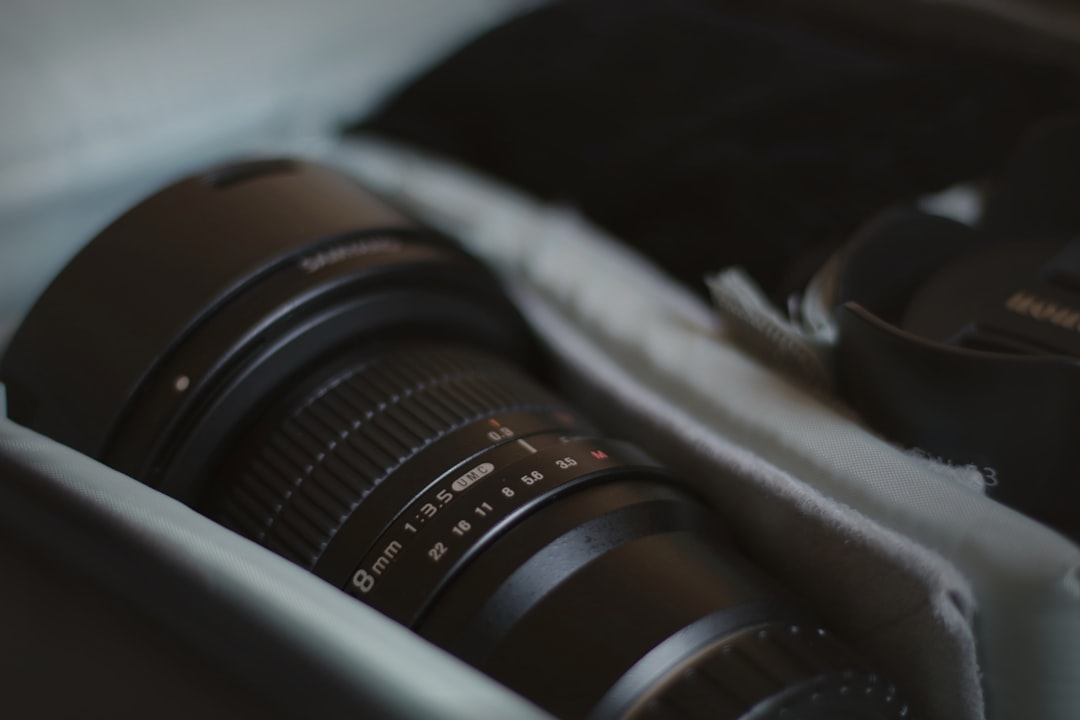
Choosing the right camera lens can feel overwhelming, especially for those new to photography. With so many options available, it’s easy to get lost in technical jargon and specifications. However, understanding your needs and the types of photography you want to pursue can simplify the decision-making process significantly.
Understanding Your Photography Style
Before diving into lens specifications, it’s crucial to identify your photography style. Are you drawn to landscapes, portraits, or perhaps street photography? Each genre has its unique requirements, and knowing your focus will help narrow down your lens options. For instance, landscape photographers often prefer wide-angle lenses to capture expansive scenes, while portrait photographers might opt for prime lenses with wide apertures to achieve beautiful bokeh effects.
Consider the types of subjects you enjoy shooting. If you love capturing fast-moving subjects like wildlife or sports, a lens with a fast autofocus system and a longer focal length will be beneficial. On the other hand, if you enjoy capturing intimate moments in low light, a lens with a larger aperture will allow more light to enter, resulting in better image quality.
Focal Length and Its Impact
The focal length of a lens significantly influences the composition of your photographs. Lenses are categorized into wide-angle, standard, and telephoto based on their focal lengths. A wide-angle lens, typically ranging from 14mm to 35mm, is perfect for capturing vast landscapes or tight interiors. In contrast, a standard lens, usually around 50mm, mimics the perspective of the human eye, making it versatile for various photography styles.
Telephoto lenses, with focal lengths starting from 70mm and going up to 300mm or more, allow you to capture distant subjects with clarity. This is particularly useful for wildlife photography, where getting close to the subject may not be feasible. Understanding how focal length affects perspective and composition will empower you to choose a lens that aligns with your creative vision.
Lens Types and Their Features
When selecting a lens, consider the different types available and their unique features. Prime lenses, which have a fixed focal length, are known for their sharpness and wide apertures, making them ideal for low-light conditions and achieving a shallow depth of field. Zoom lenses, on the other hand, offer versatility by allowing you to change focal lengths without switching lenses, which is advantageous for dynamic shooting environments.
Additionally, pay attention to lens features such as image stabilization, weather sealing, and autofocus capabilities. Image stabilization can be a game-changer for handheld shooting, especially in low light or when using longer focal lengths. Weather-sealed lenses provide peace of mind when shooting in challenging conditions, ensuring your gear remains protected from the elements.
Budget Considerations
Photography can be an expensive hobby, and lenses often represent a significant investment. It’s essential to set a budget before you start shopping. While high-end lenses offer exceptional quality, there are also many affordable options that deliver impressive results. Researching and reading reviews can help you find the best lens within your budget without compromising on quality.
Consider purchasing used or refurbished lenses as a way to save money while still acquiring quality gear. Many photographers upgrade their equipment regularly, leading to a market filled with gently used lenses at a fraction of the original price. Just ensure you buy from reputable sources to avoid potential issues.
Real-World Application: A Customer’s Journey
Take Sarah, for example, an aspiring photographer who recently discovered her passion for capturing the beauty of nature. Initially overwhelmed by the variety of lenses available at lenshandcrafted.com, she struggled to choose the right one for her landscape photography. After consulting the website’s extensive guides and customer reviews, she realized that a wide-angle lens would best suit her needs.
With her new lens in hand, Sarah ventured out to a nearby national park. The results were stunning; she captured breathtaking vistas that truly reflected her vision. Lesson learned: understanding your photography style and needs is crucial in selecting the right equipment, and resources like lenshandcrafted.com can provide invaluable guidance in your journey.